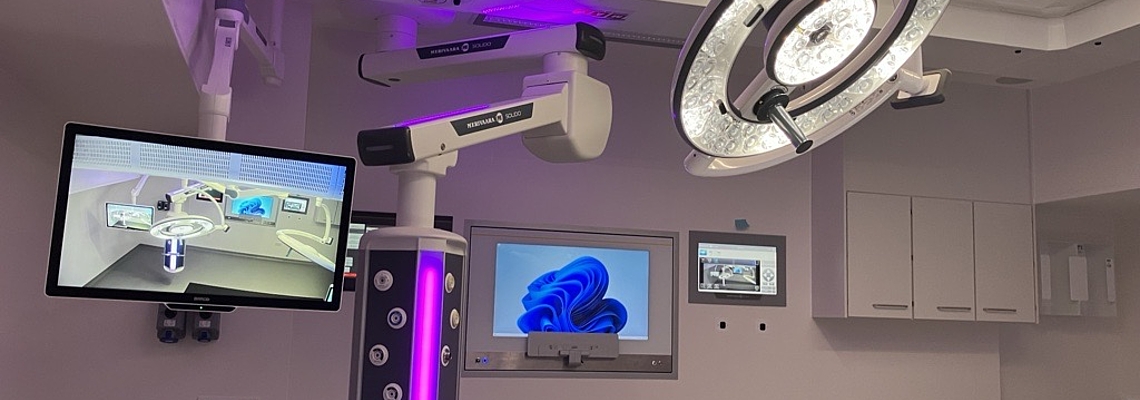

Building smart, sustainable and resilient hospitals: what comes next for healthcare infrastructure
Healthcare is changing at pace. Across the UK, hospitals are under increasing pressure to deliver outstanding patient care while managing ageing infrastructure, constrained resources, rising energy costs and ambitious sustainability targets. These challenges influence everyday decisions within hospital estates teams and shape long term capital investment planning across the NHS.
In addition to these challenges, there is growing recognition that hospitals must become smarter, more resilient and sustainable through better use of data, monitoring and intelligent infrastructure management.

From reactive maintenance to proactive resilience
One of the clearest developments emerging across healthcare estates is a shift away from reactive maintenance and short-term fixes, towards a more proactive, data led approach to managing electrical infrastructure.
In environments such as operating theatres, unexpected downtime and avoidable shutdowns can have immediate clinical and operational consequences. Estates teams increasingly need visibility and confidence in the condition of their systems, not simply alerts once something has already gone wrong.
This is driving greater adoption of continuous monitoring approaches that provide real-time insight into infrastructure performance. Rather than relying solely on periodic checks or reactive responses, hospitals are beginning to use live data to understand trends, identify emerging risks and intervene earlier. The result is improved resilience, reduced disruption to workflow and more informed decision making.
Platforms such as Bender Pulse illustrate this shift in practice. By combining continuous electrical monitoring with real time insight and expert remote support, Bender Pulse enables estates teams to move from reactive fault response to proactive system management, helping them understand infrastructure health and act with greater confidence.
Enhancing safety and assurance through intelligent monitoring
Safety and compliance remain fundamental priorities within healthcare environments, particularly where electrical systems support life critical patient care. Increasingly, intelligent monitoring technologies are being used to complement traditional inspection and testing regimes.
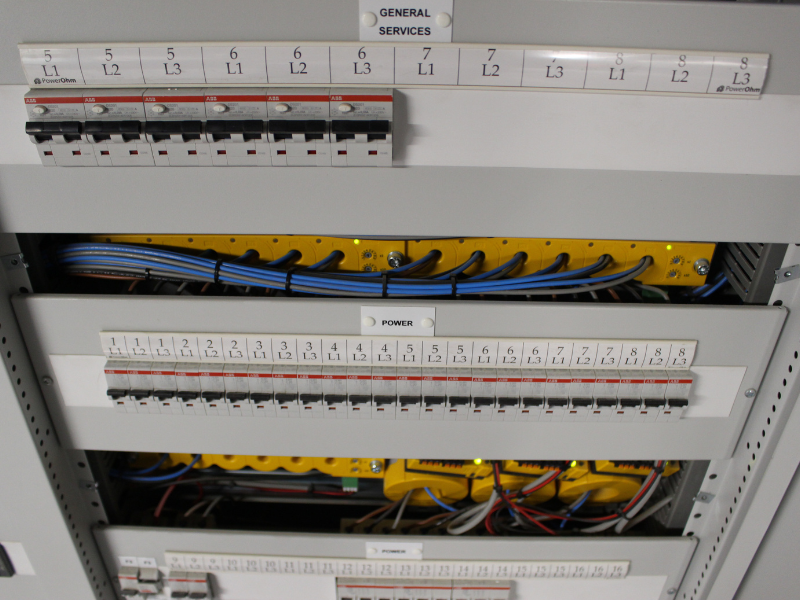
Residual current monitoring systems (RCMS), for example, provide continuous, condition-based insight at circuit level. When deployed across electrical infrastructure, RCMS enable estates teams to detect deterioration and leakage trends earlier, improving visibility and contributing to safer, resilient electrical systems within healthcare environments.
There is also a growing interest in how data from RCMS can support the intent of Periodic Inspection and Testing (PIT). Rather than replacing established compliance processes, continuous residual current monitoring provides ongoing evidence between inspection cycles. This enables estates teams to identify emerging issues earlier, prioritise intervention where risk is increasing and maintain greater confidence in system condition over time.
Over the longer term, RCMS data has the potential to reduce reliance on disruptive, time intensive inspection regimes by supporting a more targeted, risk-based approach to periodic inspection and testing. This helps alleviate pressure on estates teams while still supporting safety and compliance obligations.
This evolution is not about adding complexity, it is about reducing uncertainty and enabling more confident, proactive management of electrical systems.
Sustainability with purpose: improving efficiency in energy intensive clinical environments
Safety and compliance remain fundamental priorities within healthcare environments, particularly where electrical systems support life‑critical patient care. Intelligent monitoring technology is increasingly being used to complement traditional inspection and testing regimes, helping estates teams balance regulatory requirements with the operational realities of live clinical environments.
Residual current monitoring systems (RCMS), for example, provide continuous, condition‑based insight at circuit level. When deployed across electrical infrastructure, RCMS enable estates teams to detect deterioration and leakage trends earlier, improving visibility and contributing to safer, more resilient electrical systems.
This approach is supported by BS 7671: 2018, which recognises the role of permanent residual current monitoring within inspection and testing regimes. Section 651.2 states that where circuits are continuously monitored by a residual current monitoring device and the monitoring function is routinely verified, periodic inspection and testing is not required.
In practice, this allows healthcare estates teams to maintain assurance and compliance without the need to routinely isolate non-critical circuits, which can be particularly challenging due to the high operational availability required in hospitals.
According to BS 7671:2018, many healthcare electrical installations are subject to a five‑year Periodic Inspection and Testing (PIT) cycle. While essential for compliance, traditional inspection activities can be time‑intensive and in some cases, disruptive to clinical services. Continuous residual current monitoring does not replace these inspection requirements, but it does provide valuable evidence between inspection cycles, supporting a more targeted approach to maintenance and testing.
This ensures estates teams prioritise intervention where risk is increasing, reducing unnecessary disruption and maintaining greater confidence in system condition, while still meeting regulatory and safety obligations.
This evolution is not about adding complexity. It is about reducing uncertainty, improving assurance and enabling safer, more resilient healthcare infrastructure management.
Data as a driver of operational efficiency
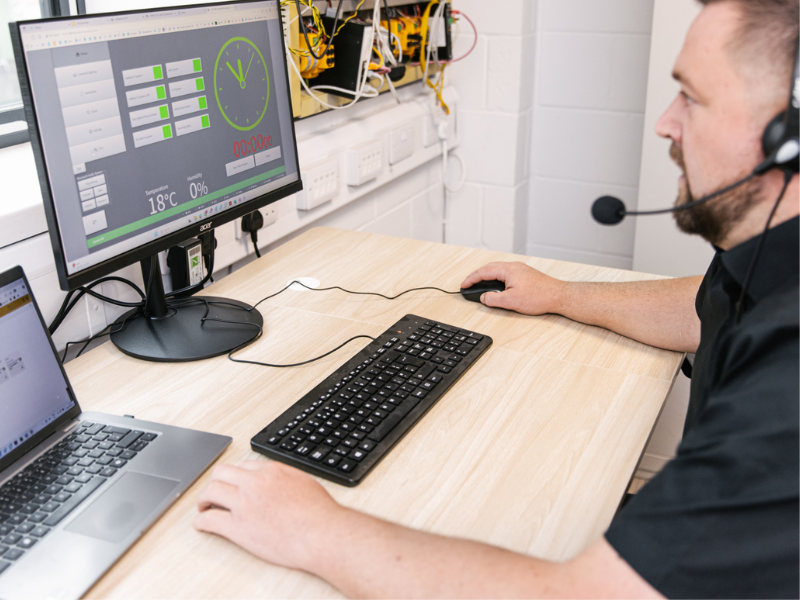
At the heart of a smart, sustainable hospital is data. Intelligent monitoring platforms enable healthcare providers to move beyond observation and into proactive infrastructure management.
By understanding how healthcare spaces are used, identifying opportunities to reduce unnecessary energy consumption and detecting early signs of electrical faults through power quality and residual current monitoring, estates teams can make targeted interventions that deliver tangible operational benefits.
The impact of this should not be underestimated. Avoiding unnecessary engineer call outs or identifying faults before they escalate can significantly reduce downtime. In high output clinical environments, a single day of lost availability can equate to substantial financial and operational impact.
Real world examples already demonstrate what is possible. Adjustments to ventilation and system operation schedules within major UK hospitals have delivered meaningful annual energy savings while also reducing wear on critical assets. These are outcomes that many healthcare providers are now looking to replicate at scale.
Looking ahead: collaboration, data and long-term value
As healthcare continues to evolve, the responsibility on infrastructure, estates and collaboration with solution partners is clear. The focus must remain on what adds value for hospitals, clinicians and patients.
The challenges facing healthcare estates are significant, but so is the opportunity for development. By embracing proactive infrastructure management, intelligent monitoring and sustainability led decision making, hospitals can build environments that are better equipped to meet today’s pressures and future demands.
The adoption of proactive monitoring platforms such as Bender Pulse are not a standalone solution. They form part of a wider shift towards smarter, data driven healthcare infrastructure that prioritises resilience, efficiency and long-term value.
By Gareth Brunton, Managing Director at Bender UK


Expert support for healthcare electrical design
From early design stages to installation, our team ensures estates and engineering professionals reduce risk and design smart, resilient healthcare infrastructure.
Talk to our experts