Designing future-ready operating theatres: integrating technology for better care
As pressure continues to increase on our national health services (NHS) throughout the UK and Ireland, high demands are placed on critical care areas and operating rooms to increase throughput and capacity of surgical practises. And while medical staff cannot be expected to cope with demands of the increased workflow digital transformation is underway. Smarter, more intelligent operating rooms are being rolled out in order to improve efficiency and meet the increasing the demand.
Whether upgrading existing theatres or designing new ones, planning a facility that is ready to meet future demands is essential. Project costs, staff needs, patient care, and technology roadmaps must be optimised in order to meet this increasing demand.
Advancements in clinical technology and medical science have made operating theatres more congested and complex, and adding in another piece of equipment to an existing, already overcrowded layout is not always viable.
Design considerations
Building an operating room for operational and commercial longevity requires continual integration of new technology.
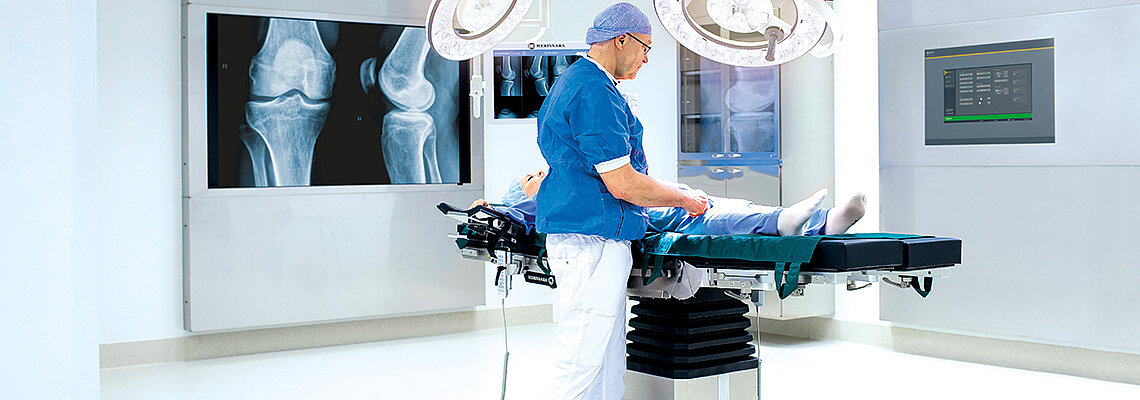
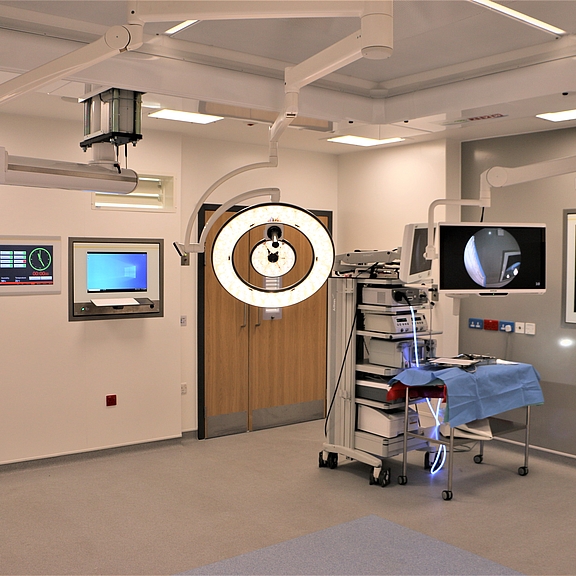
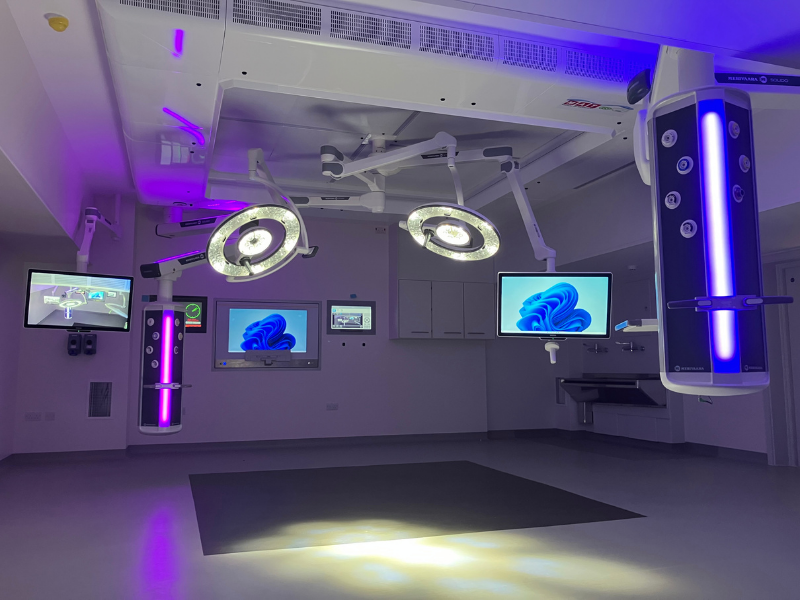
Transferring equipment from the floor, to ceiling-mounted options, significantly improves room movement and overall safety, and simplifying the surgical suite without compromising functionality is paramount for clinical teams.
While standardisation of technology can reduce costs, accommodating surgeon preferences through multi-manufacturer integration boosts productivity and clinical workflow.
Additionally, integrated operating room deployments also support expansion into speciality suites, maximising design efficiency, and, looking ahead, provide a smoother pathway for future robotic surgery integration.

A productive, sterile environment
Avoiding contamination and reducing infection risk remain top priorities. Reducing staff movement in and out of the theatre environment and ensuring that equipment is ergonomically designed are core benefits of integrated operating theatres. Inefficient practices in shared staff and patient areas remain the primary cause of wound infections.
A controlled and smooth (laminar) flow of filtered, ultraclean air supports sterility, reduces airborne bacteria and removes contaminants effectively through surgical suites.
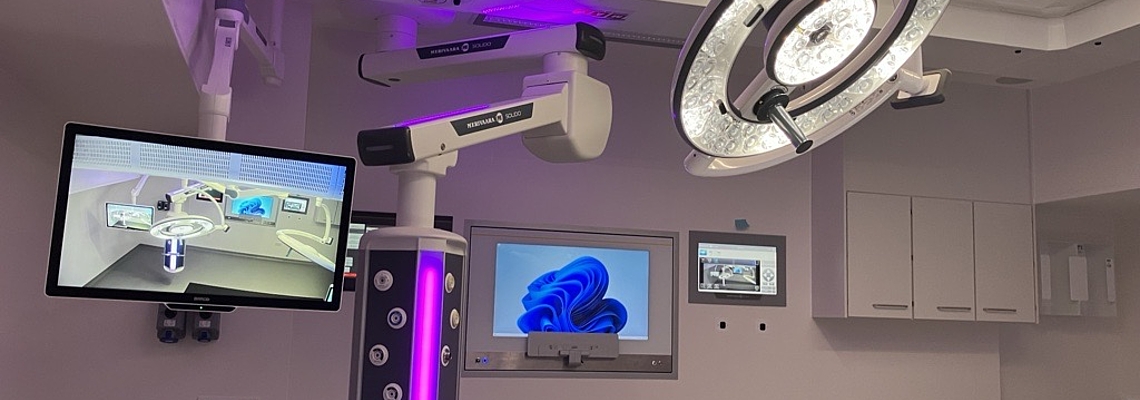
Additionally, advanced lighting and integrated audiovisual (AV) systems play a vital role in minimising infection control, supporting remote consultative guidance and teaching. This transforms procedural efficiency and ensures medical students have the best real-time learning experiences.
Proven expertise
Hospitals exploring integrated operating theatres benefit most when partnering with solution providers that bring in-depth clinical knowledge and proven project delivery expertise. They can guide them through the entire journey, from initial design and planning to installation, project management, commissioning, and ongoing technical support.
Creating a fully integrated surgical environment requires specialists who not only understand clinical workflows and hospital infrastructure but can also safely and efficiently align new technologies with existing systems.
Bender UK is an award winning company, with expertise in the field of turnkey projects and operating room design, from early-stage technical planning and compliance guidance through to installation, commissioning and lifecycle maintenance.
By working with leading global manufacturers and applying proven software and system integration skills, the team ensures clinical, digital, and estates departments achieve successful, high-performing operating rooms.
Lead Clinical Engineer, Ireland: “They know how a hospital works, and they know how to work in a hospital”.
To explore how integrated operating theatres, advanced AV systems, and future-ready clinical environments can support your team, visit our integrated operating theatres page
Stephen Coleman, Clinical Sales Manager, Bender UK