Bender UK healthcare team strengthens critical power resilience at Northampton General Hospital
Bender UK has helped Northampton General Hospital strengthen its critical power resilience through a major power upgrade, protecting essential clinical services and supporting patient safety.
The project formed part of the hospital’s programme to improve the reliability and resilience of its power infrastructure. To minimise disruption to clinical services, patients and hospital teams, we carefully scheduled the work outside the hospital’s busiest periods, including weekends and out of hours.
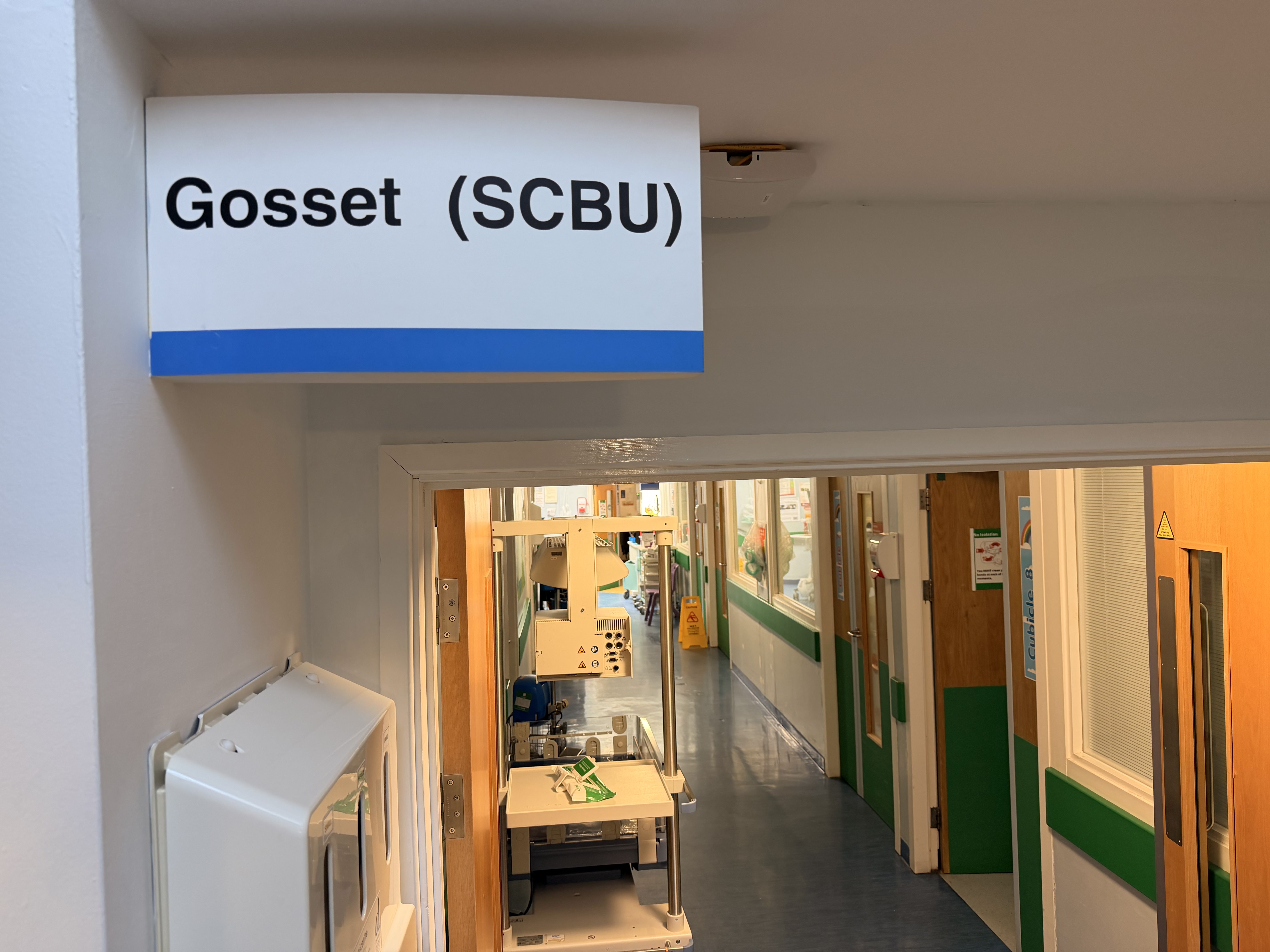
Our work focused on some of the hospital’s most critical environments, including orthopaedic operating theatres, recovery areas, day surgery facilities and the neonatal unit, where a reliable power supply is essential for patient care.
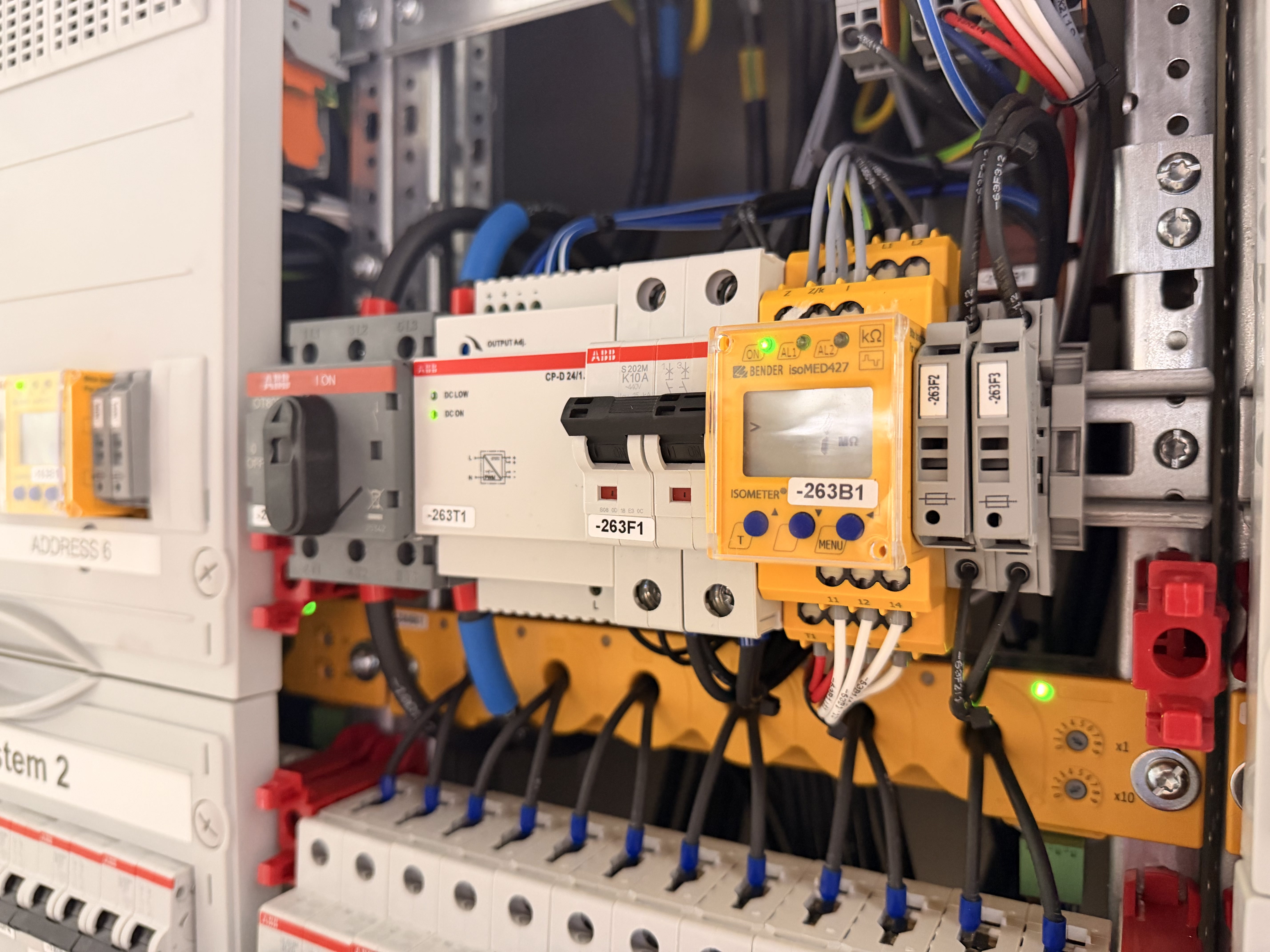
Drawing on our experience and expertise in healthcare projects, we worked closely with the hospital’s estates team to design and deliver a tailored, turnkey solution. The programme combined the lifecycle replacement of medical IT (IPS) infrastructure with enhanced alarm monitoring, remote diagnostics and electrical safety improvements in patient areas.
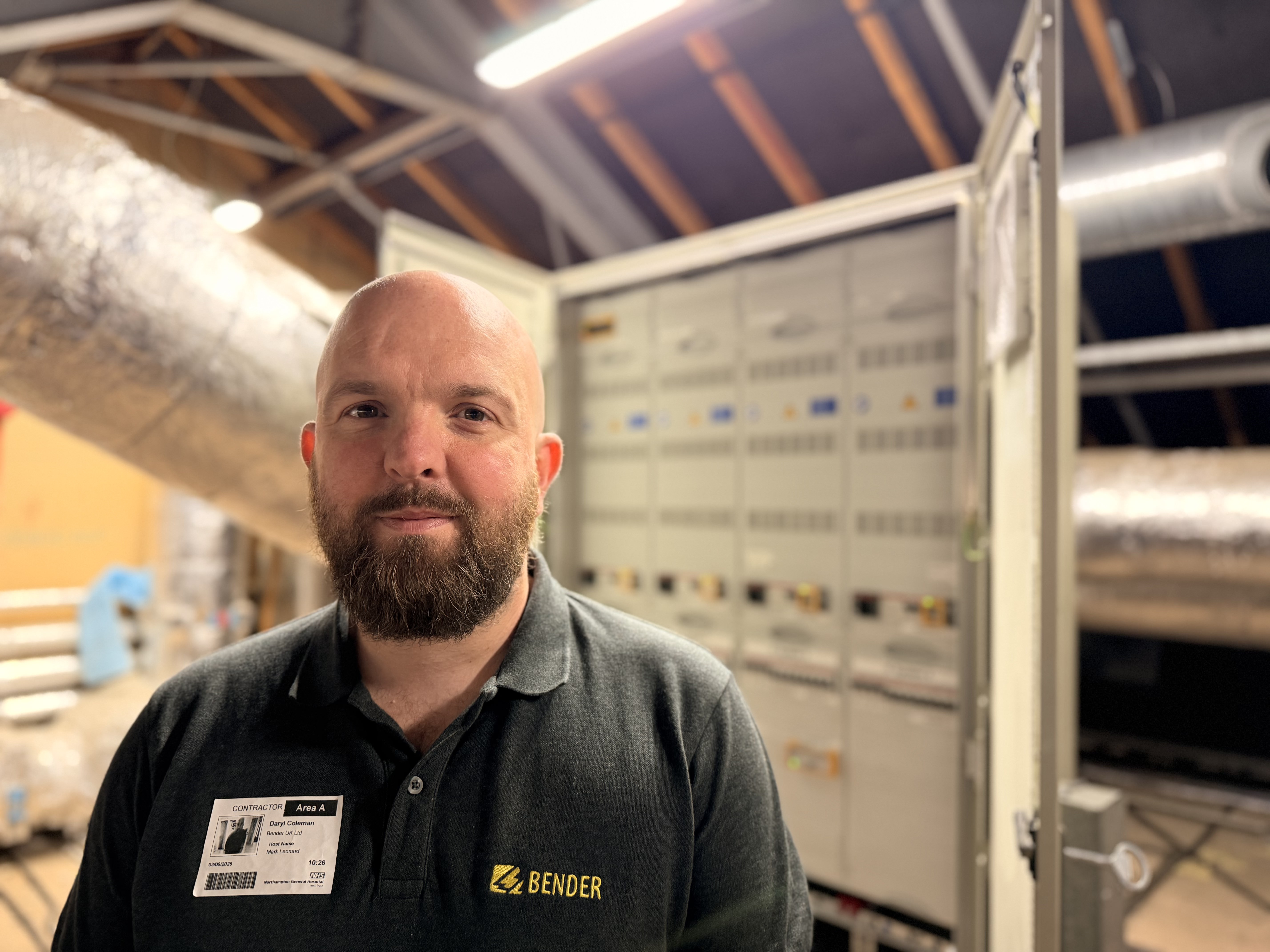
Daryl Coleman, our Technical Healthcare Expert, said: “This project was never about applying a standard solution. We designed it around the way the hospital’s clinical teams work and the demands of each location.
“In operating theatres, recovery rooms and the neonatal unit, reliable power infrastructure is essential for safe patient care.
“By working closely with the hospital trust, we developed a solution around its needs and carefully planned the installation to avoid disruption to patient care. We are proud to support a hospital of this size in delivering vital services to its community.”
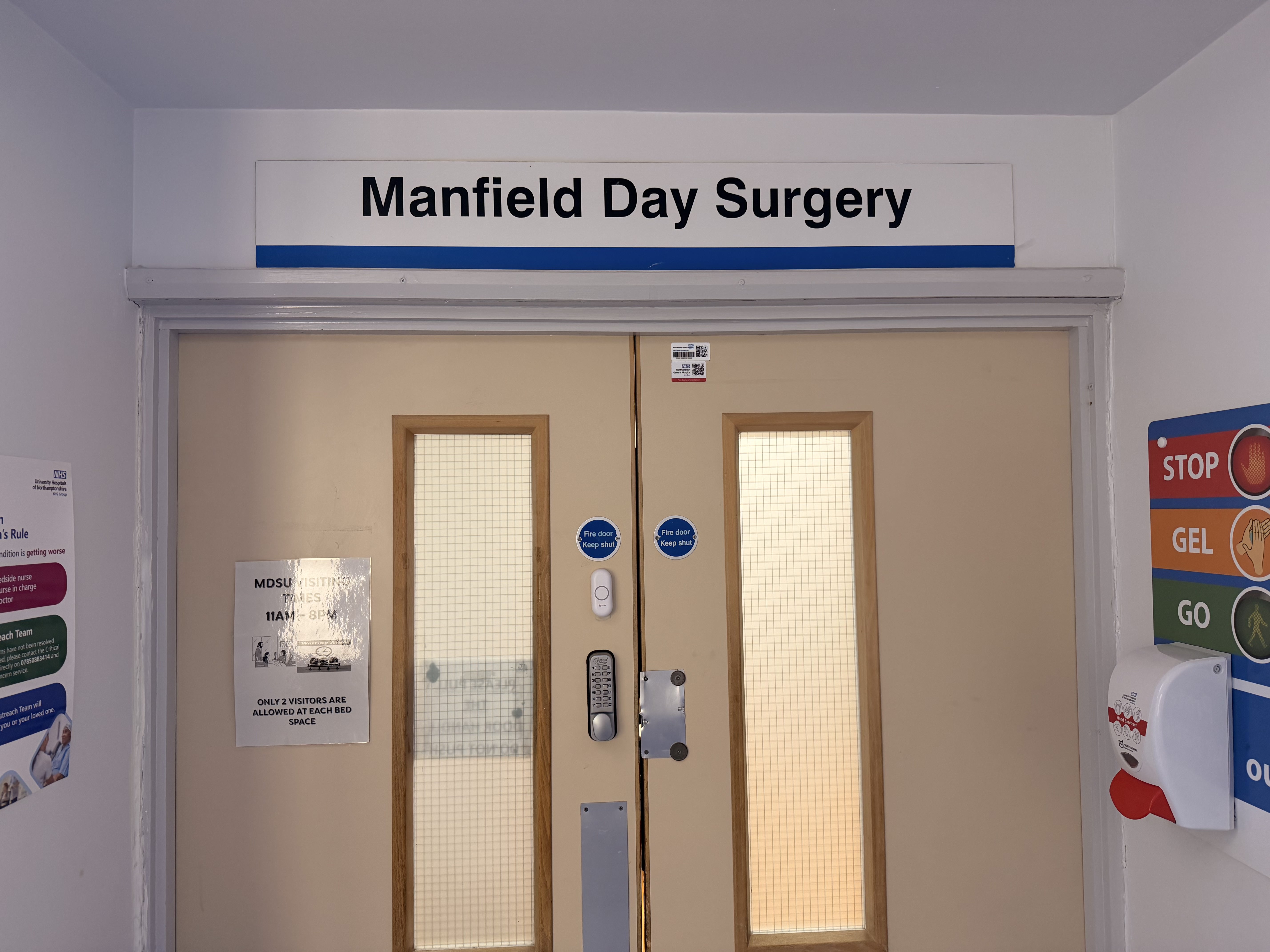
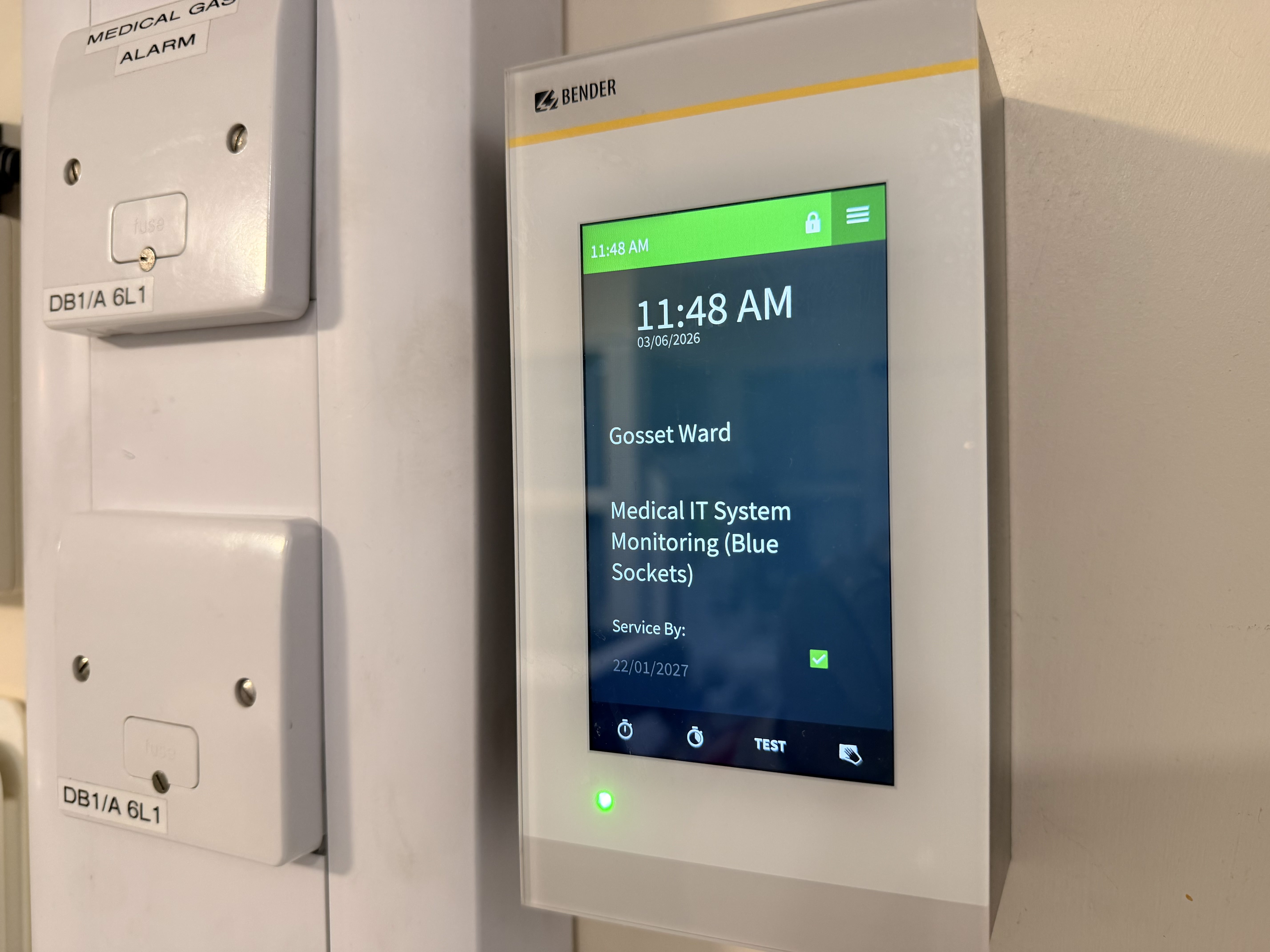
In the orthopaedic theatres and associated clinical areas, we replaced eight ageing medical IT panels with new 10kVA Bender systems incorporating Bender EDS fault-location technology, individual circuit monitoring and enhanced alarm management. Bender CP305 touchscreen alarm panels now give clinical teams immediate visibility of alarm conditions and provide estates teams with clearer system-status information.
On the neonatal unit, we completed a lifecycle chassis replacement of the existing medical IT systems. Internal components were replaced in sequence, allowing individual circuits to be isolated while continuity of supply was maintained across the remaining channels an important consideration in a live clinical environment supporting vulnerable and premature babies.
We also connected the upgraded infrastructure to Bender’s remote monitoring technology through a COM465 Ethernet gateway and the Bender Pulse™ platform. Supported by a dedicated 5G connection, the system enables real-time monitoring, fault identification and remote diagnostics, helping the estates team identify and respond to potential issues more quickly. New equipotential bonding infrastructure further improves electrical safety in patient care areas.
Mark Leonard, Building Services Engineer within the capital projects team at Northampton General Hospital, said: “The existing infrastructure had served the hospital well, but it was clear that it needed to be replaced to meet the demands of these highly critical clinical environments in the present day.
“We were aware that two risk factors needed to be designed out; the loss of critical circuits within an operating theatre or ward and potential delays in repair should direct replacement parts be obsolete or unavailable.
“Choosing reliable, state-of-the-art technology for the upgraded critical power supply was the right decision, not only to support today’s surgical procedures, incubators and other life-dependent medical equipment, but also to help future-proof the hospital’s infrastructure for years to come.
“These are the areas of the hospital that rely most critically on a resilient power supply, where continuity and patient safety must never be compromised.”
Together, these upgrades bring Bender healthcare technology into the hospital’s wider resilience strategy, combining upgraded IPS infrastructure, advanced monitoring and remote diagnostics to support the long-term reliability of essential equipment. The result is a resilient solution shaped around the needs of the hospital’s clinical teams and the patients they care for.