Modern electrical installations contain increasing numbers of power electronic devices, variable speed drives, UPS systems, communication networks and sensitive control equipment. Where multiple earth connections exist, unwanted circulating currents can develop within the earthing system.
These stray currents may contribute to electromagnetic interference (EMI), reduced EMC performance and increased harmonic distortion within the electrical system. As harmonic levels increase, electrical equipment may operate less efficiently, generate additional heat and consume more energy than necessary.
In facilities with significant electronic loads, maintaining a clean earthing system can support improved equipment reliability, operational efficiency and overall power quality. Although not typically considered a compliance issue within the UK, minimising unwanted earth currents is recognised as good engineering practice and supports the reliable operation of modern electrical installations.
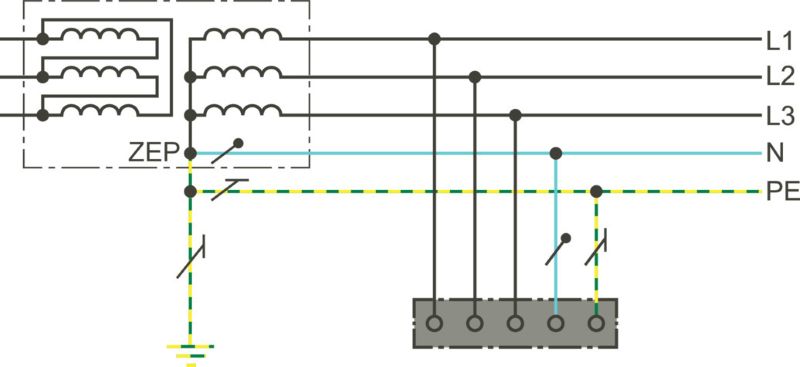
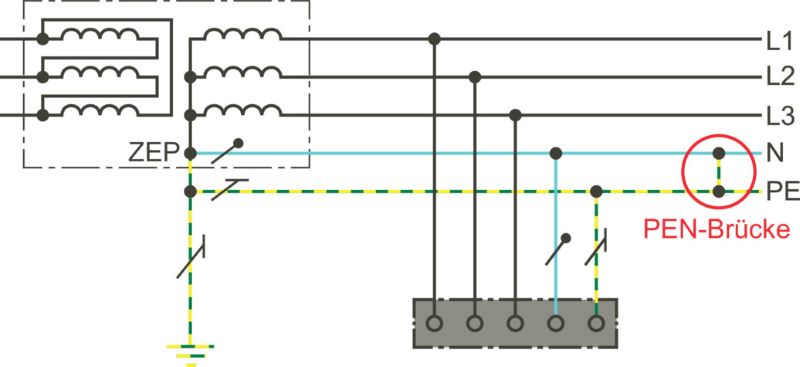
Multiple earthings occur when there is more than one connection between the protective earth system and conductive parts of an installation. This creates parallel current paths that allow unwanted current to flow through earthing and bonding conductors.
In large or complex installations, additional earth paths can arise through:
As facilities become increasingly dependent on electronic systems and interconnected technologies, these parallel earth paths can make it more difficult to identify circulating currents, maintain optimum EMC performance and achieve a clean electrical installation.
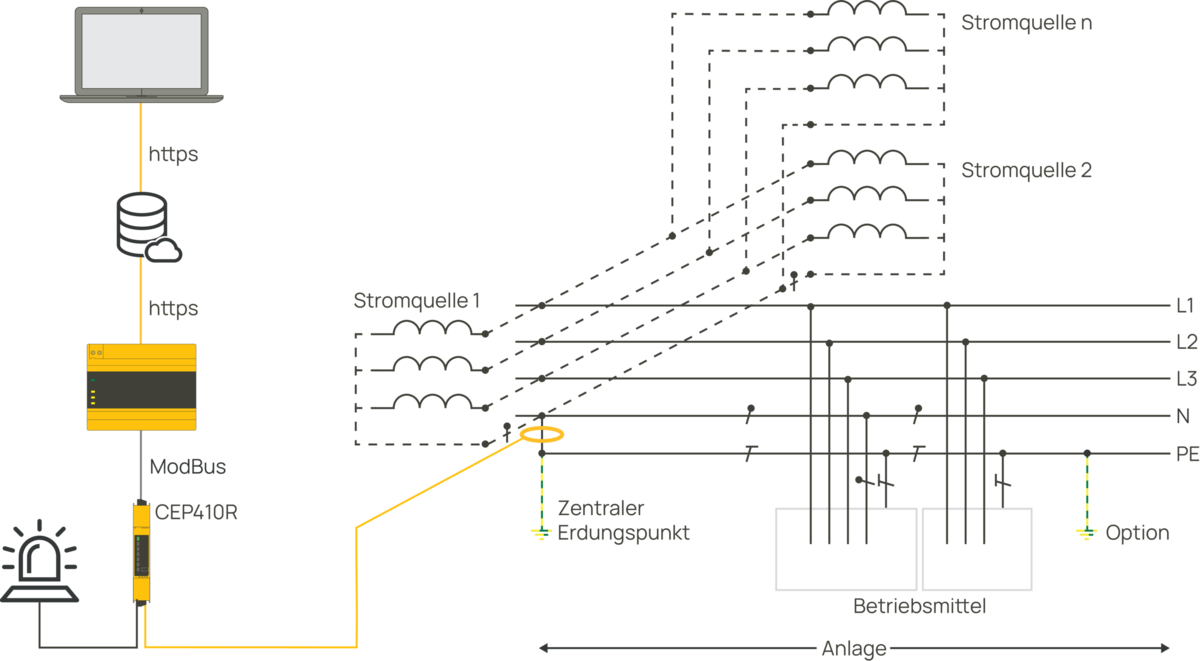
A Central Earthing Point (CEP) provides a defined location within the earthing system where stray currents and multiple earth connections can be identified and monitored.
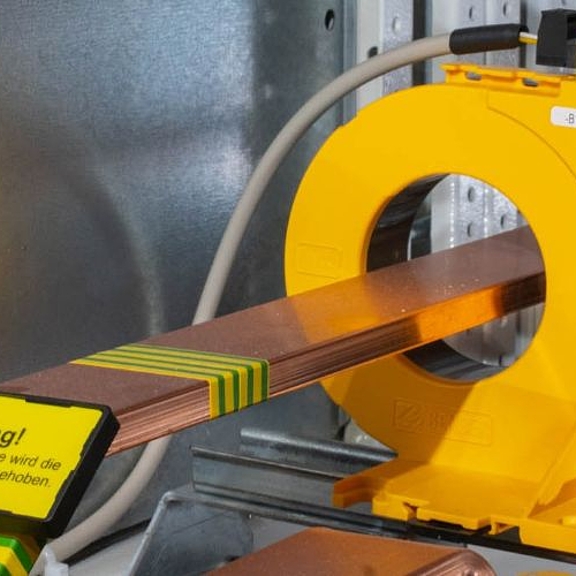
By continuously measuring current flow at the central earthing point, it becomes possible to detect abnormal conditions that may indicate unwanted neutral-to-earth connections, parallel earth paths or circulating currents elsewhere within the installation.
The monitoring of stray currents can also provide valuable insight into wider power quality issues, helping facility operators understand conditions that may impact equipment performance, energy efficiency and electrical system reliability.
This increased visibility enables electrical engineers to identify potential issues early and take corrective action before operational problems occur.
The suitability of CEP monitoring should always be assessed as part of the overall earthing and bonding strategy of the installation.
For existing facilities, CEP monitoring can provide valuable insight into the condition and behaviour of the earthing system without requiring significant changes to operational infrastructure. Continuous monitoring enables facility operators to identify developing issues, investigate abnormal current flow and support ongoing maintenance activities.
In the UK, implementation of a true central earthing philosophy can be challenging in existing installations and is often most practical during new-build projects, major refurbishments or electrical infrastructure upgrades. However, monitoring technologies can still provide valuable information regarding stray currents, earthing system performance and opportunities to improve overall electrical system health.
Permanent monitoring of the Central Earthing Point offers several benefits:
By providing continuous information about earth system behaviour, CEP monitoring supports cleaner electrical installations, improved reliability and greater awareness of conditions that may impact performance over time. In environments with significant power electronic loads, it can also support initiatives aimed at improving system efficiency, reducing unnecessary losses and maintaining stable operation.
| Name | Category | Size | Language | Timestamp | D-/B-Number |
|---|---|---|---|---|---|
| CEP - Central earthing Point | Market Segment Brochures | 430.1 KB | EN | 2026/03/2323.03.2026 |
Products
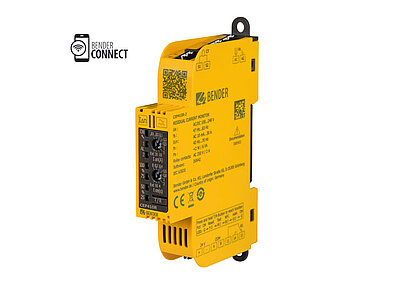
Single-channel monitoring device for the central earthing point
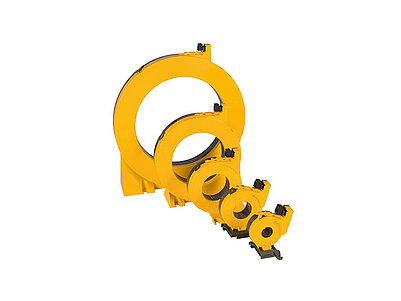
Measuring current transformers
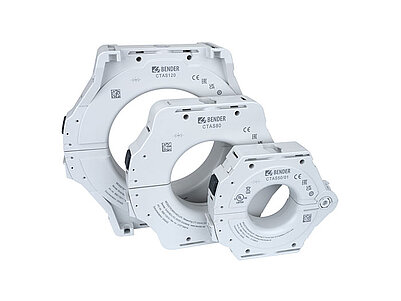
Divisible measuring current transformer
Single-channel monitoring device for the central earthing point
Measuring current transformers
Divisible measuring current transformer