IET Wiring Regulations
IET Wiring Regulations
Section 710 has changed. Here is what healthcare estates teams should review before October 2026.
Amendment 4 to BS 7671:2018 is now published, and the key change for healthcare estates is the major revision of Section 710 Medical Locations.
Published on 15 April 2026, BS 7671:2018+A4:2026 becomes the primary UK compliance reference when the previous amendment 3 version is withdrawn on 15 October 2026.
For any new or altered fixed electrical installation where patient healthcare facilities are present, this matters because Section 710 is focused on medical locations where continuity of supply is essential and any electrical failure can affect treatment, safety and operational resilience.
Amendment 4 introduces confirmed updates including new requirements for stationary secondary batteries, functional earthing and functional equipotential bonding for ICT equipment and systems, Power over Ethernet (PoE), and a major revision of Section 710 Medical Locations.
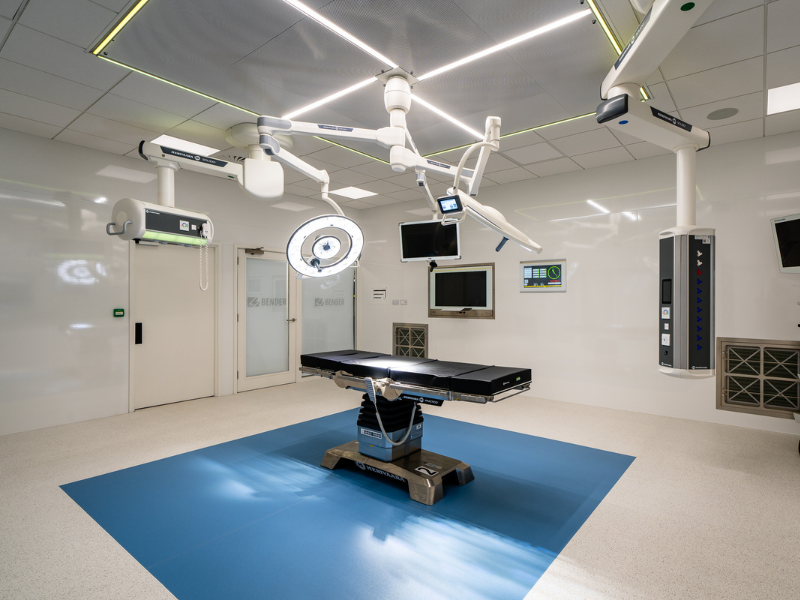
For healthcare, Section 710 is the key area to understand. Medical locations are now more clearly classified into Groups 0, 1 and 2. Group 2 areas, such as operating theatres and critical care spaces, require medical IT systems comprising an isolating transformer and insulation monitoring device (IMD). These systems are designed to maintain continuity of supply during a first fault condition while providing an alarm to alert staff, helping to ensure corrective action can be taken before a second fault could result in automatic disconnection.
While the principle of operating a medical IT system under first-fault conditions remains unchanged, Amendment 4 has strengthened and clarified requirements relating to the location of medical IT equipment and associated wiring. The updated requirements are intended to improve the speed and effectiveness of fault reporting and fault location through defined, measurable parameters set out within BS 7671.
Amendment 4 also places greater emphasis on design processes, equipment standards, testing and process evidence. This includes enhanced verification requirements, such as recording the resistance of supplementary protective equipotential bonding conductors as part of the inspection and testing process.
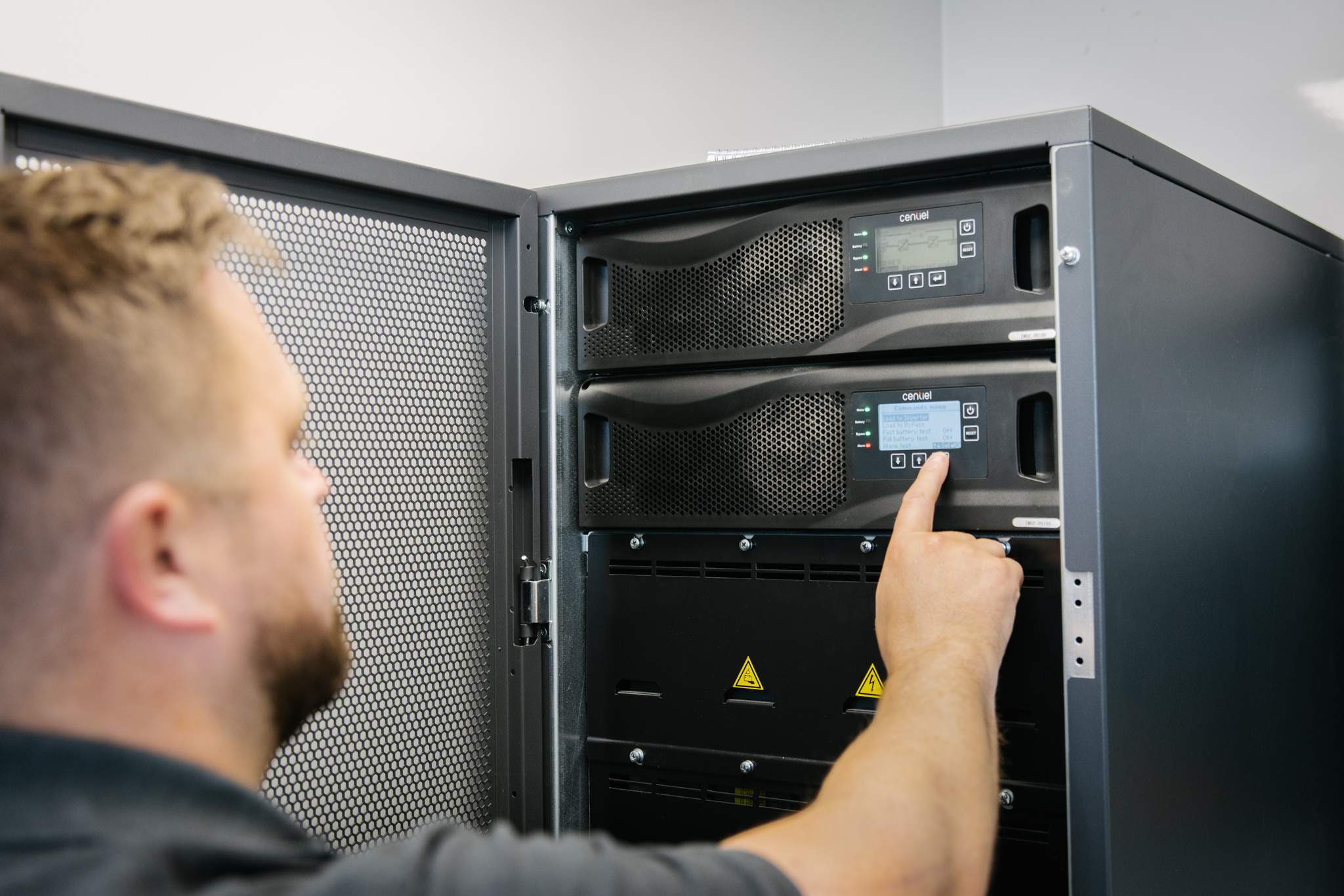
In addition, Amendment 4 strengthens requirements relating to power resilience and safety within healthcare environments. This includes greater alignment with standards such as BS EN 50171 for central power supply systems, enhanced consideration of cable routing and protection requirements in line with BS 8519, and a stronger focus on maintaining essential services during fault and emergency conditions. The amendment also places increased emphasis on fire safety, evacuation risk assessments, and the continuity of critical electrical supplies within medical locations.
This update is relevant for anyone involved in the design, installation, inspection, testing, maintenance or operation of healthcare electrical systems, including designers, electrical contractors, installers, inspectors, testers and specifiers.
In healthcare, the audiences who need to pay particular attention include:
NHS Trust and private hospital estates teams
Healthcare electrical engineers and authorising engineers
HTM compliance and governance leads
Consulting engineers and M&E designers
Electrical contractors and installers
Facilities management partners
Project teams working on new builds, refurbishments and critical care upgrades
Common technical questions include the practical implications of the amendment, including whether Section 710 references to UPS standards could affect UPS sizing, recharge times and medical IT designs.
This guidance is intended to translate the changes into clear, practical considerations for healthcare environments, so estates teams, consultants and contractors can understand where design, compliance and resilience may be affected.
In healthcare, electrical infrastructure is directly linked to patient safety, clinical continuity and operational resilience. Section 710 has been revised because patients in medical locations can be more vulnerable to electricity, particularly in operating theatres, ICUs and other critical care zones where supply interruption can have serious consequences.
In critical care spaces, power continuity is part of patient protection. Medical IT systems keep supply available during a first fault and provide the alarm visibility needed to respond before risk escalates. This also reinforces proactive risk management. As assets age and standards evolve, estates teams need clearer visibility of condition, risk and whole-life cost, so they can prioritise action before issues become operational problems.
Healthcare organisations should use Amendment 4 as a trigger to review how medical electrical systems are designed, documented, monitored and maintained.
Design and specification
For new projects and refurbishments, design teams should review how medical locations are classified and how Group 2 areas are specified. BS 7671 Section 710 and HTM 06-01 classify rooms into Groups 0, 1 and 2 based on patient interaction with medical electrical devices, the risk posed by supply failure and the purpose of the room.
Group 2 locations need particular attention. Decisions around medical IT systems, UPS, alarms, ATICS® automatic changeover, insulation monitoring and supplementary bonding documentation should be made early in the design process, not added later as a compliance fix.
Monitoring and maintenance
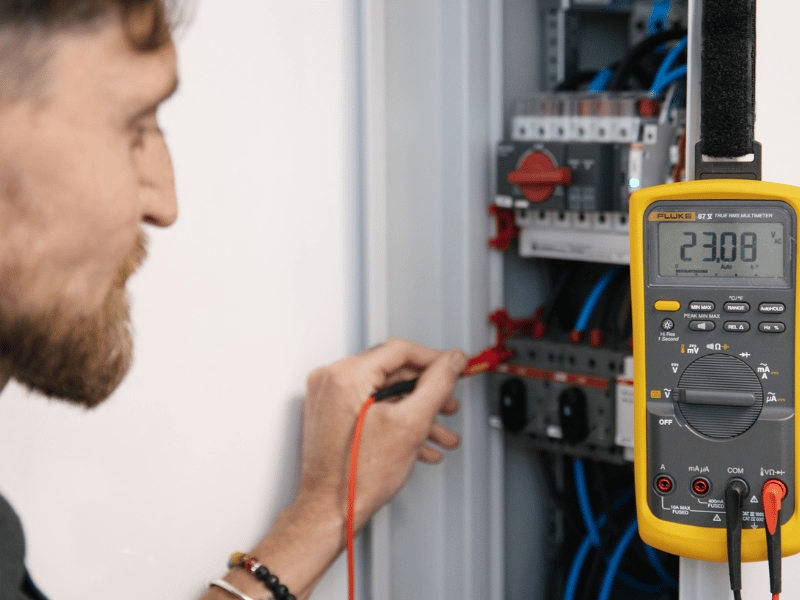
Periodic inspection remains important, but healthcare estates increasingly need continuous visibility of infrastructure condition. Bender residual current monitoring (RCM) can help with this visibility by designing into new schemes hence enabling less future disruption when completing periodic inspection and testing or being retrofitted into existing distribution boards to provide 24/7 visibility, early detection of insulation faults, condition and compliance reporting, reduced downtime and faster fault diagnosis.
Bender Pulse® builds on this by monitoring insulation, residual current, power quality and energy usage, with real-time alerts, remote diagnostics and automated reporting. This helps move estates teams from reactive intervention to earlier fault visibility and better risk-based decisions.
Lifecycle and ageing infrastructure
Amendment 4 should also prompt estates teams to ask whether existing infrastructure remains safe, compliant and fit for purpose. A structured condition assessment can identify what needs immediate action, what presents emerging risk and what can continue operating safely.

The key date is 15 October 2026, when Amendment 4 becomes the primary UK compliance reference and the previous BS 7671 version is withdrawn.
BS 7671 remains the national standard used to demonstrate compliance with UK electrical safety legislation.
For healthcare organisations, understanding the change early can help reduce the risk of design rework, documentation gaps and missed upgrade opportunities, helping build compliance and resilience in from the outset.
Healthcare estates teams, consultants and contractors should consider the following practical actions:
Bender UK supports NHS Trusts, private medical groups and delivery partners across the UK and Ireland with critical and medical IT power, resilient infrastructure, AV-enabled operating rooms, condition monitoring and lifecycle support. Our healthcare portfolio includes medical IT systems, ATICS® automatic changeover, UPS, residual current monitoring, power quality monitoring, POWERSCOUT® and Bender Pulse®.
Technical expertise is important because the implications of Amendment 4 are not limited to compliance in principle. They can affect design decisions, system resilience, monitoring strategy, lifecycle planning and the evidence required to demonstrate safe, compliant operation.
For future hospital projects, refurbishments or lifecycle upgrades, early technical review can help clarify how BS 7671:2018+A4:2026 may affect medical IT systems, UPS resilience, condition monitoring and lifecycle support.
Bender UK can provide technical input to support specification, review and long-term resilience planning.

If you are planning a new project, refurbishment or lifecycle upgrade, our specialists can help assess the impact of BS 7671:2018+A4:2026 on your electrical infrastructure and identify compliance requirements.
Speak to our technical experts