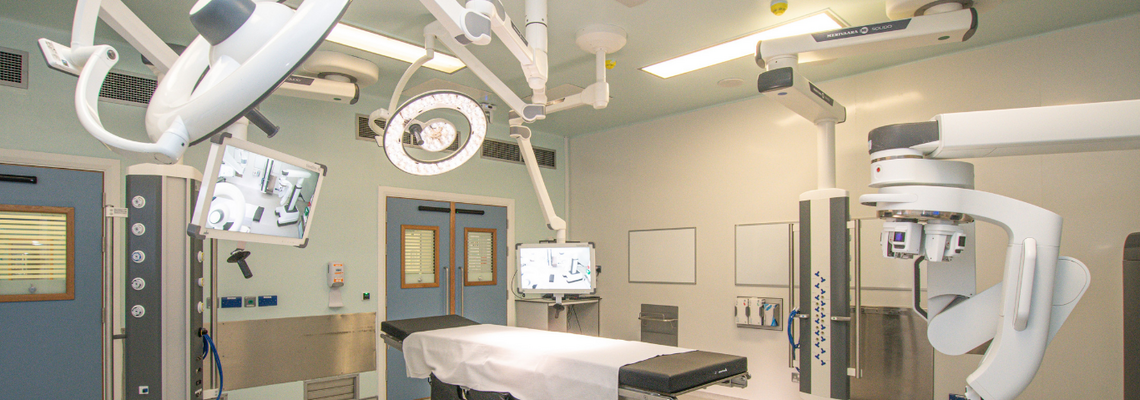

New Hospital Programme: Digital Infrastructure & Hospital 2.0
The New Hospital Programme is one of the most significant changes to NHS healthcare infrastructure in a generation. It moves hospital build projects towards a more standardised, phased approach, guided by estate risk, funding, construction and the need to modernise ageing buildings.
Through Hospital 2.0 the ambition is to create hospitals that are safer, more efficient and better equipped for modern care. Standardisation, modern methods of construction and clearer supplier pipeline are central to delivering hospitals on scale, while improving patient flow and reducing long-term operating costs.
Future hospitals will also depend on strong digital foundations. Estates teams will need clearer visibility of the entire ecosystem, strong communication, earlier warnings of failure and reliable critical systems to keep services running safely and efficiently.
The new programme
The programme’s origins date back to summer 2019, when NHS England provided the Department of Health and Social Care with a list of 56 priority schemes. These were selected using criteria including estate age, running costs, backlog maintenance and critical infrastructure risk, leading to the Health Infrastructure Plan and the first HIP1 and HIP2 schemes.
In October 2020, the NHP was established as part of the previous government’s commitment to build 40 new hospitals by 2030. Following a review, this programme has now been revised to include a total of 46 schemes, with a total funding of £60 billion, with a revised completion date of 2045-6, organised through rolling programme waves.

Challenges across NHS Estates
At its core, the NHP responds to long-standing challenges across NHS Estates, from ageing infrastructure and inefficiency to safety, resilience and patient experience. The goal is to create modern environments that support clinical teams and enable more connected, future-ready care.
Standardisation and the rise of Hospital 2.0
Standardisation is one of the biggest changes. By using repeatable designs, consistent layouts and modern construction techniques, the NHS aims to improve quality, reduce costs and make delivery more efficient.
This also gives the construction market more confidence. Instead of bidding for single schemes, suppliers can see a longer-term pipeline of hospital projects, helping them plan, invest and deliver value over time.
Hospital 2.0 has been designed with clinical and operational teams to speed up construction, improve productivity and make better use of modern technologies. Lessons from early schemes can then be used to improve future projects.
For healthcare providers, the benefits go beyond the build itself. Standardised, digitally connected environments can support lower maintenance costs, improved patient flow and less infrastructure complexity over the life of the hospital.
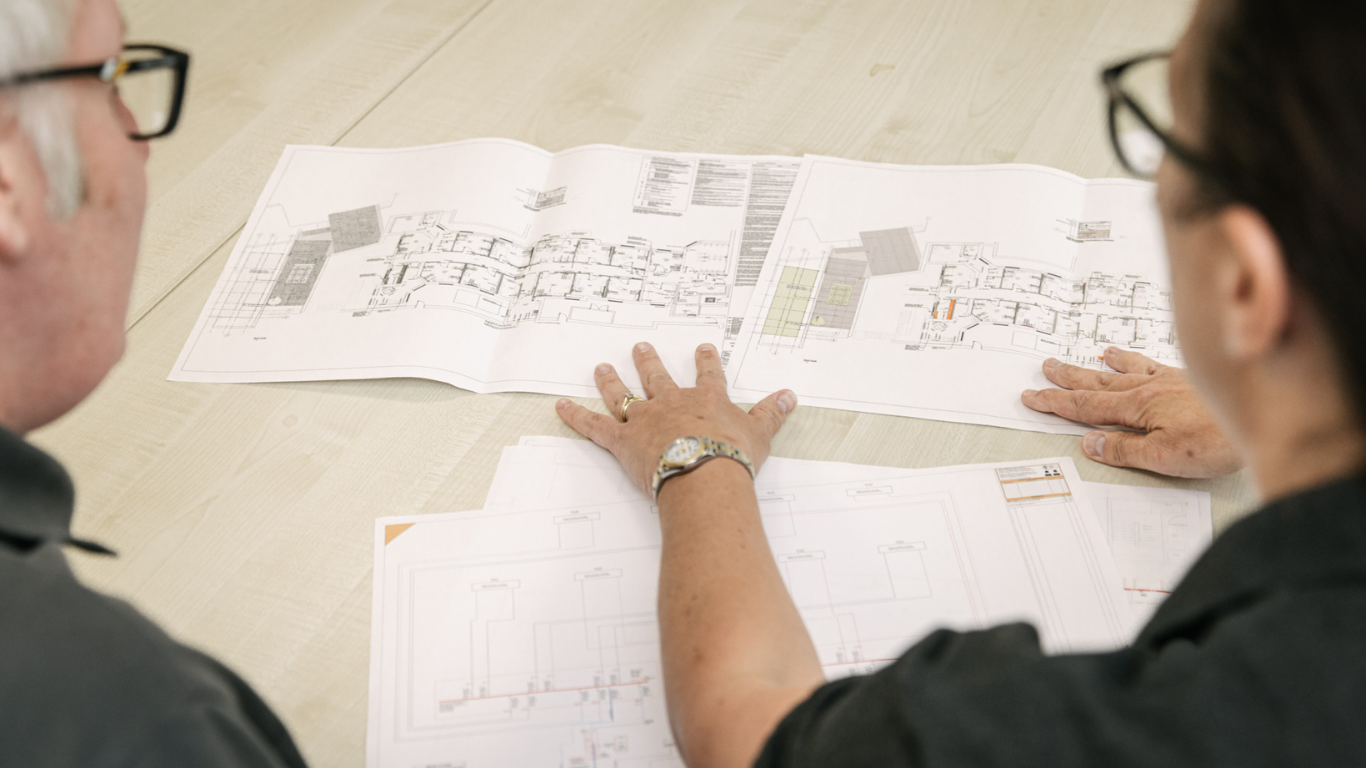
Designing safety
Safe, future-ready hospitals depend on good infrastructure decisions made early. Critical systems need to support NHS standards, fit clinical workflows and reduce the risk of costly redesign later.
Digitally connected
Digital capability is central to this shift. Hospitals need real-time visibility of infrastructure performance to maintain safety, continuity of care and operational efficiency.
Platforms such as Bender Pulse can support real-time energy management, proactive monitoring and clearer insight into critical systems. This helps Estates teams detect faults earlier, reduce disruption and improve operational performance.

Reducing costs and improving lifecycles
Hospitals need to remain safe, efficient and reliable for decades, not just at the point of handover.
Digital monitoring provides proactive maintenance insight along with remote diagnostics, condition-based maintenance, better planning, reduced cost and extended asset life, helping lower total cost of ownership while improving reliability.
Sustainability and Net Zero
Sustainability is closely linked to this long-term view. Connected systems can help reduce energy use, minimise waste, extend asset life and enable remote access while maintaining safety and help to enable net zero and energy optimization.
Long term partnership approach
The New Hospital Programme will span decades. For businesses such as Bender who design, deliver and maintain critical healthcare infrastructure across leading acute hospitals, there is an important role to play in supporting safe, connected and efficient healthcare environments.
Ultimately, the NHP is not just about building hospitals. It is about creating safer, more efficient, more connected and more sustainable healthcare environments for generations to come.
Suitability
The programme is suited to holistic design and construction partners and suppliers working together to create hospitals that are safe, compliant and fit for the future. It brings together forward-thinking organisations across infrastructure, critical power, digital systems and facilities support, who understand the entire ecosystem from critical care design, reliability, patient safety and operational efficiency. Success will be shaped by a smarter, more sustainable approach to hospital design, with a focus on repeatable, standardised build and long-term performance. Organisations able to combine physical systems with digital insight, reducing risk, ensuring uptime in critical areas and supporting better patient care, while enabling efficient, low carbon operations, are likely to be best placed to deliver connected, resilient, future-ready hospitals.
About the programme
More information from the government about the UK programme is available here: New Hospital Programme: plan for implementation - GOV.UK

Ready to strengthen your approach?
Discover what a more resilient, compliant and connected solution could look like in your setting, and take the next step with confidence
Contact us